-
 Continue reading →: The Neuroscience Behind Sleep Deprivation
Sleep deprivation doesn’t just make you tired. It fundamentally changes your neural circuits, neurotransmitter systems, and cellular metabolism throughout the CNS (central nervous system). Understanding the mechanisms behind these changes shows why sleep is a must for brain health. Synaptic Homeostasis and Neural Plasticity When you are awake, synaptic connections…
-
 Continue reading →: An Interview with Karla Montejo: Researcher and PhD Candidate
The journey from studying embryonic heart development to modeling complex brain circuits might seem like a leap, but for Karla Montejo, it represents a natural evolution of curiosity about the fundamental systems that govern life. Through our conversation, I learned how early exposure to research, combined with a fascination for…
-
 Continue reading →: Pier Bressan’s Stroke Recovery Research at Boston University
I recently spoke with Pier Bressan, a recent graduate in Neuroscience and Psychology from Boston University. He currently works as a research assistant in the Neurophotonics Center’s Boas Lab, where researchers are exploring how the brain recovers after injury. “Our lab uses advanced optical imaging techniques to study brain function,”…
-
 Continue reading →: Multiple Sclerosis: How the Brain Fights Itself
Multiple sclerosis is a disease rooted in neurological dysfunction where the brain’s own immune system attacks itself. Understanding the neuroscience behind MS shows both the fine line between neural communication and the devastating consequences when that system breaks down. Myelin: The Brain’s High-Speed Internet Myelin is a fatty substance produced…
-
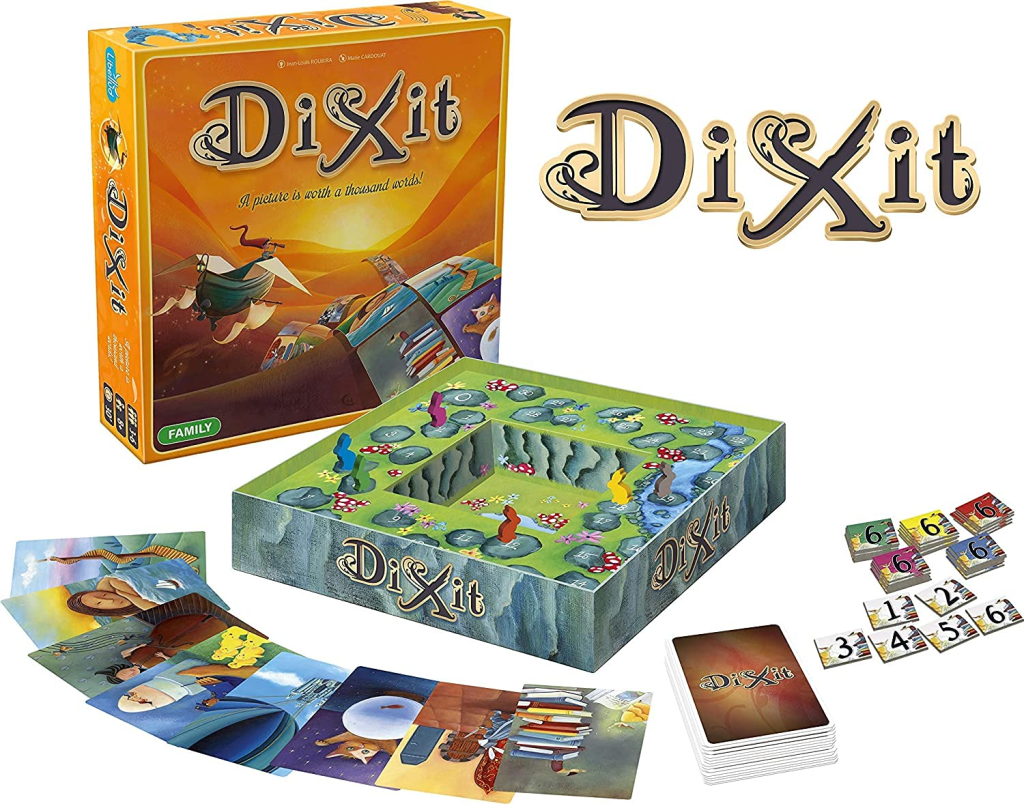 Continue reading →: Using Games to Understand Autism: The Dixit-Elicitation Method
Most autism research has focused on clinical tests and observations, often missing what it’s really like to be autistic. A new research method called “Dixit-elicitation” is changing this by using the popular board game Dixit to better understand the autistic experience. What is Dixit? Dixit is a storytelling board game…
-
 Continue reading →: The Interesting Role of Peekaboo in Child Development
Understanding Peekaboo: The Basics Peekaboo is a simple yet profoundly influential game typically played with infants and toddlers. The game involves an adult covering their face with their hands or a cloth, only to reappear moments later, exclaiming “peekaboo!” This activity captivates young children and produces joyful reactions, serving as…
-
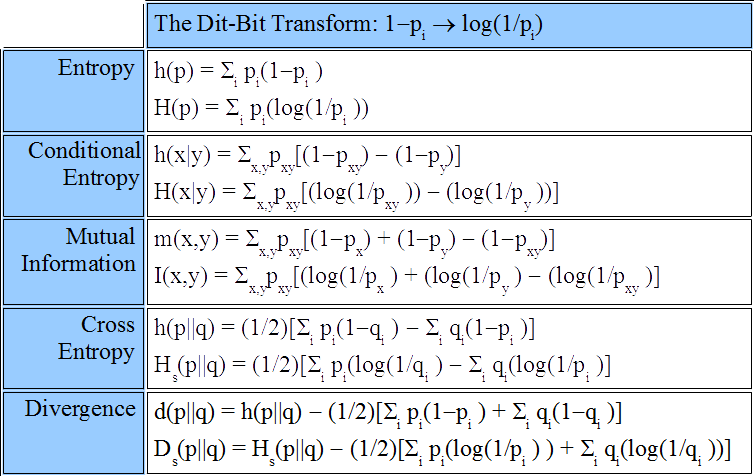 Continue reading →: Information Theory And The Brain
Information theory, originally developed by Claude Shannon, explains how information is transmitted and stored. From its introduction, information theory has had several notable impacts in fields like telocommunication and notably, neuroscience. What is Information Theory? In 1948, while working at Bell Labs, Claude Shannon published “A Mathematical Theory of Communication,”…
-
 Continue reading →: Understanding Migraines: Causes, Symptoms, and Effective Treatment Options
Introduction Migraines aren’t just bad headaches. They are a neurological condition that affects around 12% of the world population – about 1 billion people. Migraine caused episodes can last multiple hours and even days, greatly disturbing regular life. In fact, the WHO rates migraines among the top 10 most disabling…
-
 Continue reading →: Understanding ADHD Paralysis: Causes, Effects, and Solutions
Learn what causes ADHD paralysis, how it affects daily life, and expert strategies to overcome executive dysfunction with practical, actionable tips. ADHD paralysis isn’t just ordinary procrastination—it’s a frustrating symptom of executive dysfunction that affects up to 80% of adults with ADHD. This phenomenon occurs when your brain seems to…
-
 Continue reading →: How the Adolescent Brain Is Wired for Risk
While a teenager, one’s brain undergoes a remarkable transformation that shapes behavior, decision-making, and risk assessment. Although parents and educators often attribute teenage risk-taking to poor judgment or peer pressure, neuroscience reveals a more complex story: the adolescent brain is literally wired for risk-taking. The Reward System & Cognitive Control…
-
Subscribe
Subscribed
Already have a WordPress.com account? Log in now.
 Behind the Brain